
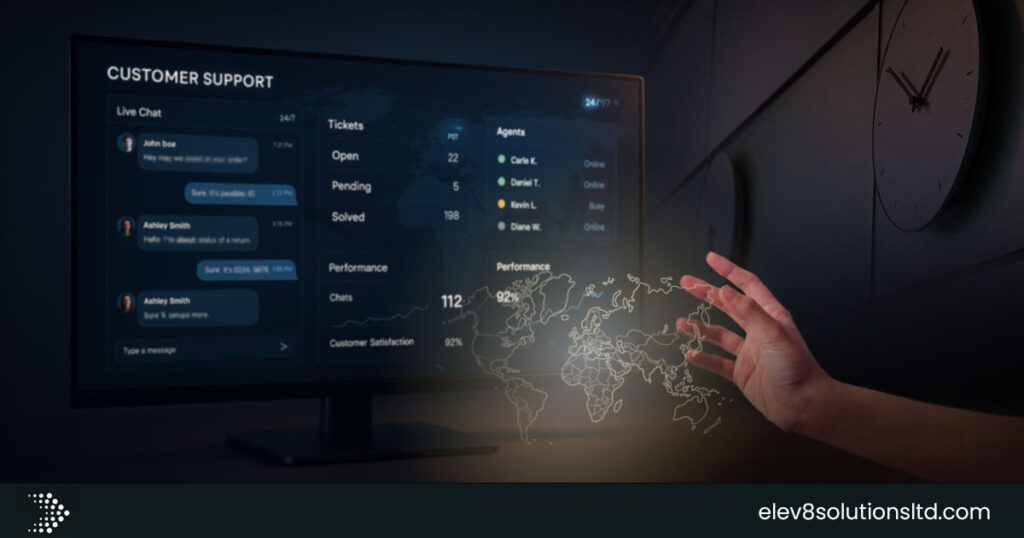
In today’s digital world, customer expectations are sky-high. They want support not just quickly but any time of the day, anywhere in the world. For companies in fast-paced industries like fintech and iGaming, 24/7 customer support isn’t just a perk—it’s a necessity. Building a support team that operates smoothly around the clock requires more than just hiring additional agents. It demands strategy, structure, and effective technology.
At Elev8, we help businesses scale their customer support with agility, ensuring that your team is resilient, responsive, and ready to deliver world-class service at any hour.
1. Hire for Fit, Not Just Skill
When running a 24/7 operation, especially in a high-demand industry, it’s not just about what’s on a CV. Skills can be taught—but character, attitude, and emotional intelligence are what truly make the difference. Look for team members who are adaptable, proactive, and dependable—particularly during those tough night shifts or high-pressure periods. A candidate who can think on their feet, communicate with empathy, and stay calm under pressure is often far more valuable than someone who simply ticks all the boxes on paper. Don’t be afraid to think outside the box—identify people’s strengths beyond their job title or past roles. Building a strong team starts with hiring for mindset and potential, not just experience.
2. Create a Smart Shift Structure
Creating a smart shift structure isn’t just about experience—it also relies heavily on data. Analysing operational data is a must if you want to make informed decisions that support both performance and growth. From identifying peak activity times to spotting patterns in response rates, team performance, or customer behaviour, data helps you fine-tune your operations in real time. It’s the key to building a scalable, agile 24/7 setup that doesn’t just react to demand, but anticipates it. Combine insight with strategy, and your operation becomes not only efficient but resilient.
Pro Tip: Cross-train your agents to handle multiple tasks so transitions between shifts are smooth and cost effective.
Pro Tip: Implement staggered shifts, rotate weekend schedules, and utilise backup resources to prevent burnout while ensuring adequate coverage.
3. Invest in the Right Tools
The right technology makes all the difference. Equip your team with a centralised ticketing system that is user friendly, flexible and scalable, solid internal knowledge bases, clean and clear processes for more efficiency.
4. Focus on Training and Retention
A well-trained agent is your frontline champion. Provide continuous training, not just at onboarding but throughout their journey. Strengthen them with soft skills, up-to-date product and market knowledge, and scenario-based learning. Promote a culture of transparency by keeping agents informed about business goals, changes, and expectations—it fosters trust and a sense of ownership. Providing regular feedback, recognising achievements, and establishing clear career paths can help reduce employee turnover and maintain high morale.
5. Monitor Performance and Adapt
Tracking KPIs like first response time, resolution time, customer satisfaction, and agent utilisation is essential—but it’s only the first step. The real power lies in how you read the data, act on it, and use it to shape your goals. Data should guide decision-making, highlight gaps, and help you optimize your team’s performance in real time.
At the same time, setting clear, meaningful objectives is just as important. Human beings are naturally driven by goals—they give us purpose and direction. The same applies in operations: when your team knows what they’re working toward and can see the impact of their efforts, motivation and performance follow. Use data not just to measure—but to inspire, align, evolve….and Elev8!
Conclusion
Customer support isn’t just about solving problems or finding quick fixes—a lot of people forget that. At its core, it’s about supporting the end user, being there when it matters, and shaping how they experience your brand. No matter the industry, customer support is what makes or breaks trust. It’s not just a function—it’s a strategic asset that directly impacts retention, loyalty, and revenue.
Yes, technology plays its part. Bots and automation help streamline the journey—but real support goes beyond scripts and systems. It’s about building relationships, creating confidence, and being consistent in every interaction. Your operational strategy might be the engine driving the business forward, but it’s your support team who are steering the ship in the right direction—one conversation at a time.
Around the clock or around the world, Elev8 Team makes sure your support team is there when your customers need it most.